

Simple techniques for premium abalone at home
How to Cook Abalone
Abalone can be prepared in a variety of ways, different formats and cooking methods influence texture, flavour and preparation time.
This guide covers the fundamentals of cooking abalone at home, including preparation styles, cooking methods and choosing the right format for different dishes.

Texture, timing and careful preparation
Cooking Abalone Successfully
Abalone is valued for its distinctive texture and balanced ocean flavour. Like many premium seafoods, the preparation method plays an important role in the final result.
When prepared correctly, abalone develops a tender bite with natural sweetness and depth of flavour. Cooking time, slicing thickness and preparation method all influence the final texture.
Some cooking styles favour a firmer bite, while others are designed to create a softer, more delicate texture. Understanding the format you are working with helps achieve the best result.
Learn More About Abalone PreparationDifferent formats for different cooking styles
Choosing the Right Abalone Format
Different abalone products suit different cooking methods, preparation styles and experience levels.
Live Abalone
Best suited to traditional preparation methods where complete control over cleaning, slicing and cooking is preferred.
Frozen Abalone
Offers flexibility while maintaining quality and flavour, making it suitable for grilling, pan-frying and braising.
Canned Abalone
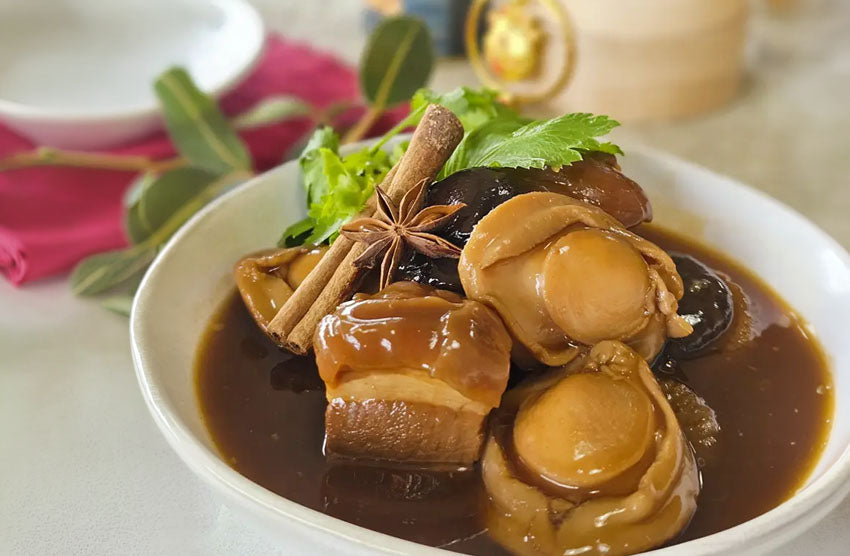
Ideal for soups, braises and banquet-style dishes where convenience and consistency are important. The flavourful brine can also be incorporated into cooking liquids and sauces.
Retort Abalone
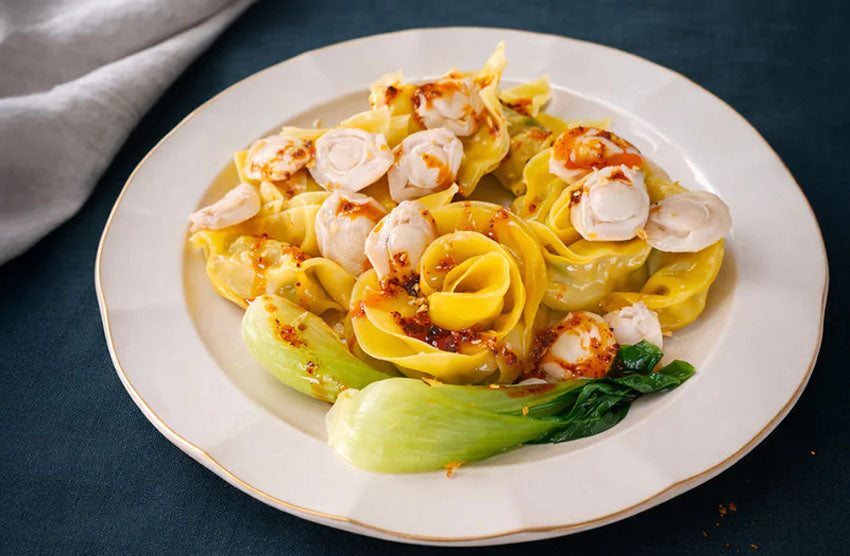
Fully cooked and ready to serve with minimal preparation. Suitable for noodles, pasta, stir fries and simple plated dishes.
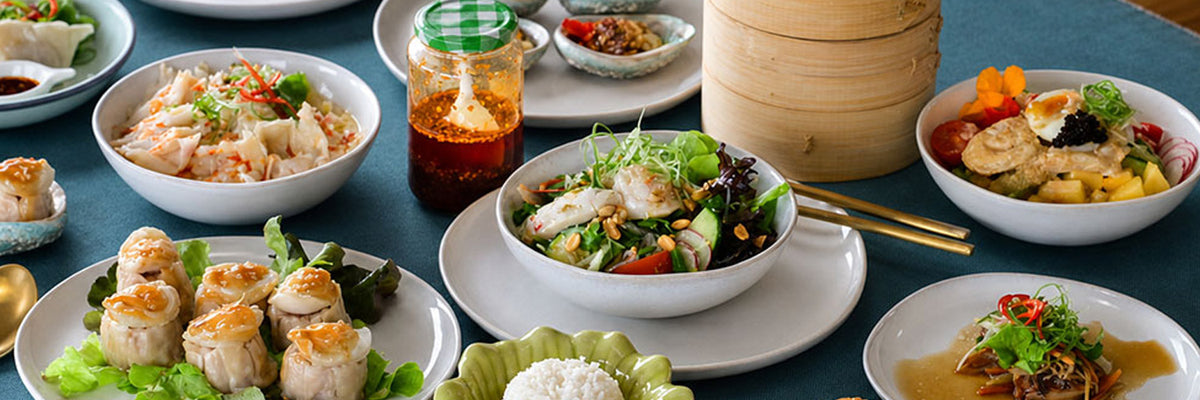
Cooking styles suited to different textures and formats
Popular Ways to Cook Abalone
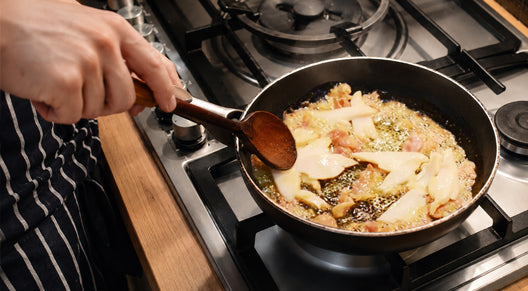
Quick Sear
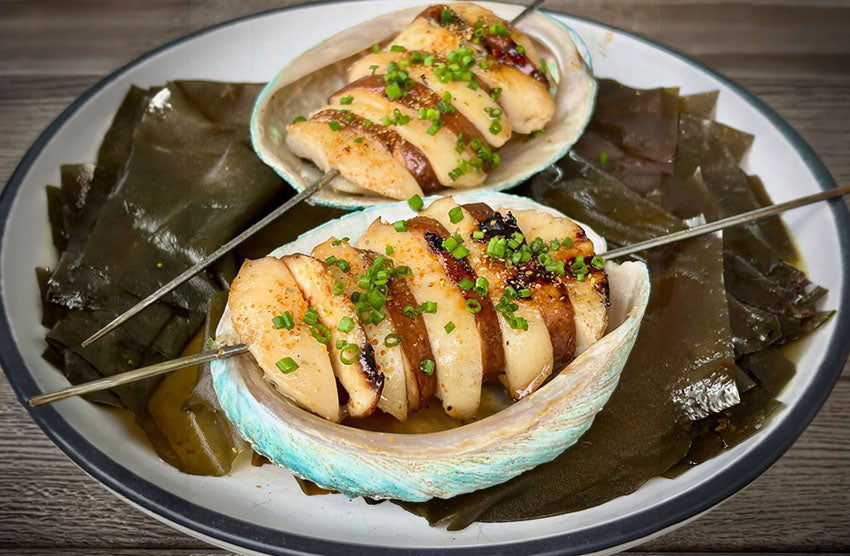
Thinly sliced abalone can be cooked quickly over medium-high heat. Best for fresh or thawed abalone when you want tenderness, light colour and a clean ocean flavour.

Grill or Char
Light grilling or charring works well with larger pieces or lightly scored abalone. Finish with butter, garlic, herbs or a simple glaze.
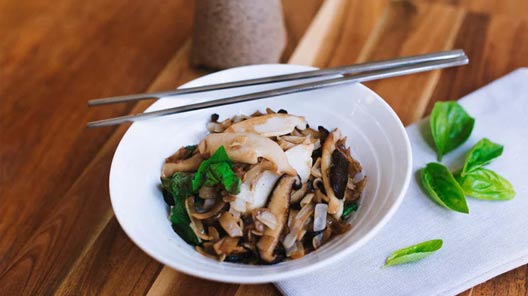
Stir Fry
Thin slices can be added near the end of cooking to maintain texture and tenderness. Best for noodles, rice dishes, vegetables and quick sauces.
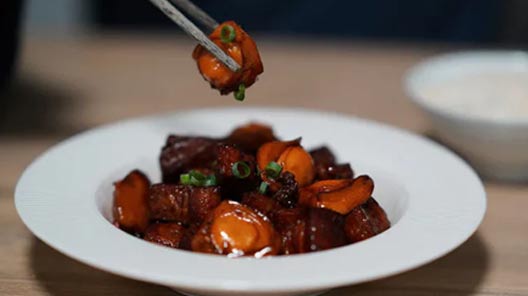
Slow Braise
Slow braising suits canned abalone, rich sauces, celebration dishes and traditional preparation styles. The liquid can help build deeper flavour over time.
Why preparation and timing matter
Texture and Tenderness
Abalone develops its texture slowly over several years of growth, contributing to its unique eating qualities.
Cooking time has a significant influence on tenderness. Quick cooking methods can preserve firmness and bite, while slower cooking techniques soften texture over time.
Preparation also plays an important role. Slicing direction, thickness and tenderising techniques can all affect the final result.
For many dishes, thin slices and shorter cooking times help maintain tenderness while preserving the natural flavour of the abalone.
Versatile across a wide range of dishes
Cooking for Different Occasions
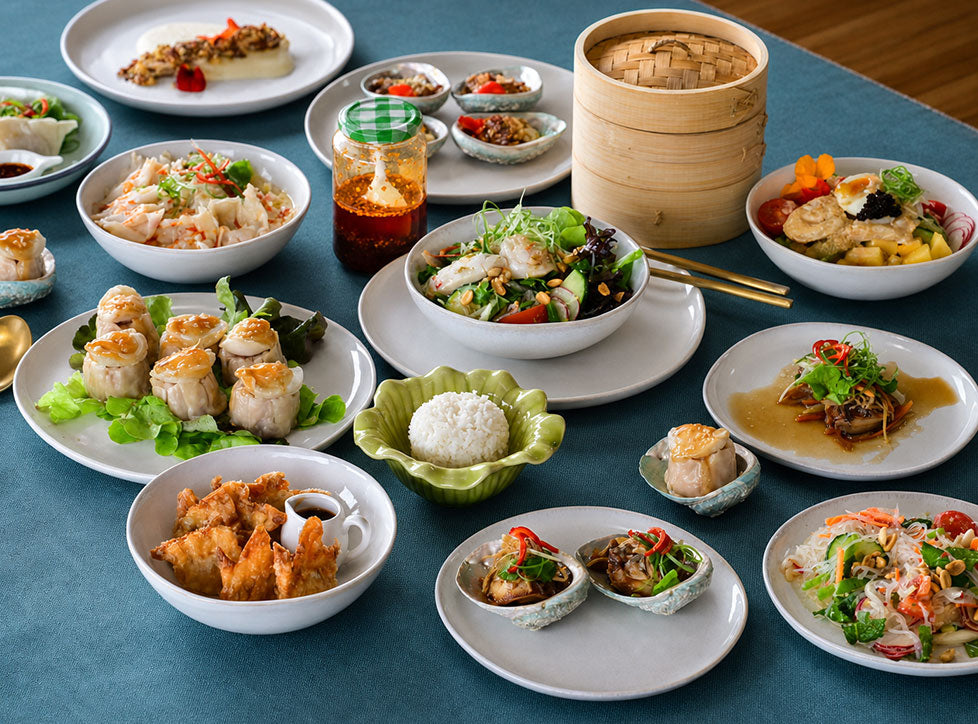
Abalone can be prepared simply for quick meals or incorporated into more refined dishes for entertaining and special occasions.
Retort and canned abalone provide convenient options for home cooking, while live and frozen abalone offer greater flexibility for traditional preparation and premium presentation.
From noodles and stir fries through to grilled dishes and slow braises, abalone can be adapted to suit a wide range of cooking styles.
Explore Abalone Recipes

Frequently Asked Questions
Find answers to common questions about cooking, preparing and serving abalone at home.
Learn more about choosing the right abalone format, achieving the best texture, cooking times and preparation techniques to help you get the most from every dish.
Some abalone may benefit from gentle tenderising, particularly when preparing larger or firmer pieces. Ocean Road Tiger Abalone generally requires little to no tenderising when prepared appropriately. Slicing and cooking method also have a significant effect on the final texture. For more detail, see our Abalone Preparation Guide.
Popular methods include pan-frying, grilling, stir-frying and braising. The best method depends on the abalone format, recipe and desired texture. Explore our Abalone Recipes for cooking ideas.
Abalone is generally best cooked either quickly over high heat or slowly in braised dishes. Overcooking can result in a firmer texture. Learn more about handling and preparation in our Abalone Preparation Guide.
Yes. Canned abalone is fully cooked and can be eaten directly from the can or gently heated before serving. It is especially suited to soups, sauces and braised dishes.
Yes. Retort abalone is fully cooked, vacuum sealed and ready to serve with minimal preparation. It can be sliced cold, gently warmed or added near the end of cooking.
Explore More Ways to Prepare Abalone
Discover premium Australian abalone through recipes, preparation techniques and sustainably farmed products designed for everything from quick meals to refined dining experiences.