Cooking & Preparation
Abalone Preparation Guide
Learn how to handle, clean and prepare premium Australian abalone at home, from live and frozen abalone through to convenient ready-to-serve formats.
Different abalone formats require different preparation and cooking methods. This guide covers the essentials for preparing abalone with confidence while maintaining texture, flavour and quality.
Preparation Basics
Preparing Abalone with Confidence
Preparing abalone varies depending on the format you choose.
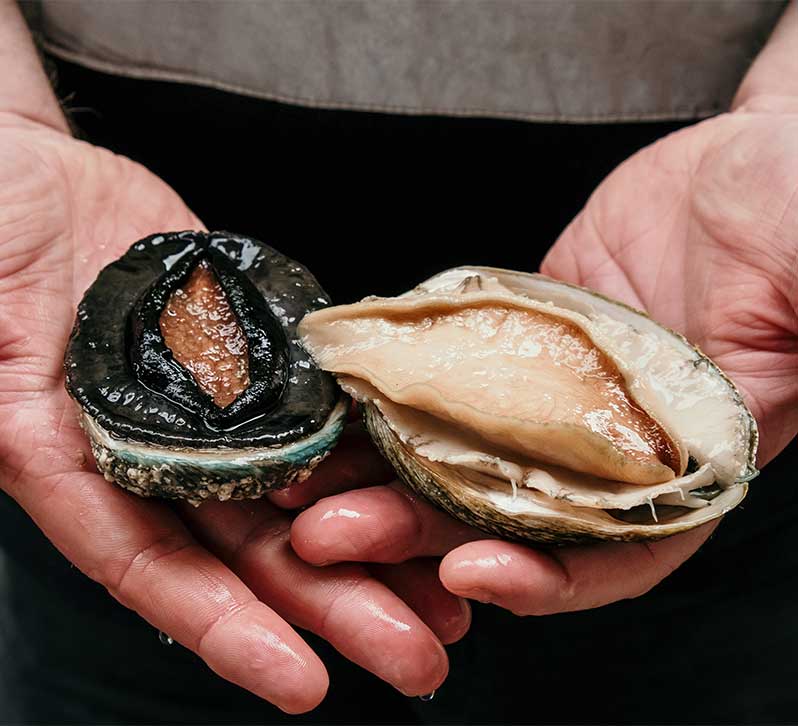
Live abalone requires shucking, cleaning and trimming before cooking. Frozen abalone should be thawed correctly before preparation, while canned and retort abalone are fully cooked and require minimal preparation before serving.
Understanding how each format is handled helps you choose the right preparation and cooking method for the dish you are making.
Live Abalone
Requires full preparation including shucking, cleaning and trimming before cooking.
Retort Abalone
Fully cooked and vacuum sealed in its natural juices for convenient preparation and serving.
Canned Abalone
Fully cooked and packed in a lightly flavoured brine, ready to use with minimal preparation.
Frozen Abalone
Snap frozen to preserve freshness, texture and flavour prior to thawing and preparation.
Preparation & Handling
Handling Live Abalone
Proper handling is the first step to preparing great abalone.
Before preparation:
- keep refrigerated below 5°C
- maintain a cool, moist environment
- avoid prolonged exposure to heat or direct sunlight
- prepare close to cooking time for best results
Chilling the abalone before removing it from the shell can help relax the muscle and make handling easier.
Keeping live abalone cool and handling it carefully helps maintain its condition before preparation and cooking.
Removing, trimming and cleaning the abalone properly
Shucking and Cleaning Abalone
STEP 1 — Remove from Shell
Slide a sturdy spoon or suitable blunt tool between the shell and the meat. Work carefully underneath the foot to release the abalone from the shell.
STEP 2 — Remove the Gut and Trim
Remove the gut and liver, then cut a small triangle around the mouth to remove the tough cartilage.
STEP 3 — Clean the Abalone
Clean the abalone thoroughly and remove any leftover gut material still attached to the base of the foot.
STEP 4 — Prepare for Cooking
Once cleaned, the abalone can be left whole, scored or sliced depending on the cooking method. For thin slices, cut across the abalone before cooking.

Texture & Preparation
Tenderising and Slicing Abalone
Ocean Road Tiger Abalone is naturally tender and generally doesn't require tenderising when prepared and cooked correctly. For many dishes, careful slicing and choosing the right cooking method are more important than pounding the meat.
Some larger or firmer abalone may benefit from gentle tenderising, particularly when being cooked whole.
If tenderising fresh or fully thawed abalone, gently pound the meat with a mallet or the back of a knife. Avoid excessive force, which can damage the flesh.
How you slice abalone can make a significant difference to its texture and cooking time.
- Thin diagonal slices: Ideal for quick sautéing and stir-fries.
- Medium slices: Suitable for steaming, grilling and dishes where a more substantial bite is desired.
- Thicker slices: Can work well for controlled cooking methods such as sous vide.
- Whole abalone: Can be pan-fried, grilled, steamed or prepared using other methods depending on the recipe.
Match the cut to the cooking method for the best balance of tenderness and flavour.
Ocean Road Tiger Abalone is naturally tender and generally doesn't require tenderising when prepared and cooked correctly. For many dishes, careful slicing and choosing the right cooking method are more important than pounding the meat.
Some larger or firmer abalone may benefit from gentle tenderising, particularly when being cooked whole.
If tenderising fresh or fully thawed abalone, gently pound the meat with a mallet or the back of a knife. Avoid excessive force, which can damage the flesh.
How you slice abalone can make a significant difference to its texture and cooking time.
- Thin diagonal slices: Ideal for quick sautéing and stir-fries.
- Medium slices: Suitable for steaming, grilling and dishes where a more substantial bite is desired.
- Thicker slices: Can work well for controlled cooking methods such as sous vide.
- Whole abalone: Can be pan-fried, grilled, steamed or prepared using other methods depending on the recipe.
Match the cut to the cooking method for the best balance of tenderness and flavour.
Cooking Methods
Popular Ways to Cook Abalone
Quick Sear
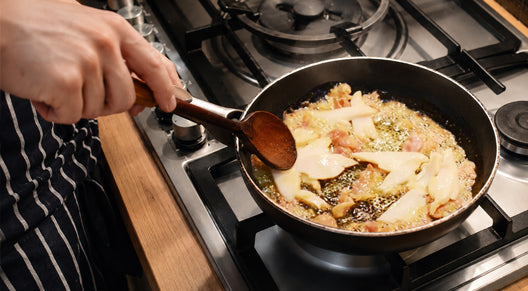
Pan-fry live or thawed frozen abalone with butter and garlic, or give canned and retort abalone a brief sear for extra colour and flavour.

Grill or Char
Grilling adds a wonderful depth of flavour. Enjoy abalone with garlic butter, fresh herbs or a savoury glaze, whether cooking from fresh, frozen or ready-to-serve formats.
Stir Fry
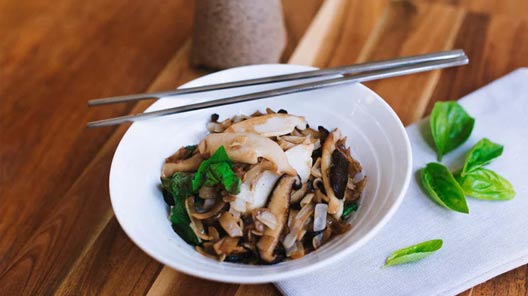
Abalone is a delicious addition to stir-fries with vegetables, rice, noodles and aromatic sauces. Adjust the cooking time and preparation to suit the abalone format.
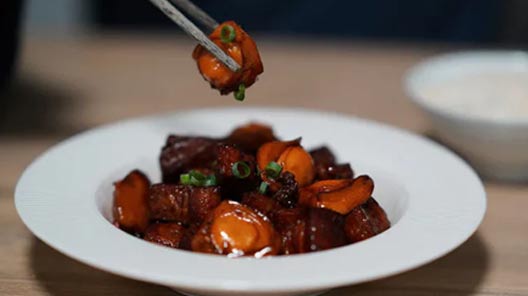
Slow Braise
Slow braising brings together abalone, rich sauces and fragrant ingredients. Canned and retort abalone are ideal for traditional dishes with mushrooms, pork belly, soy and aromatic stocks.
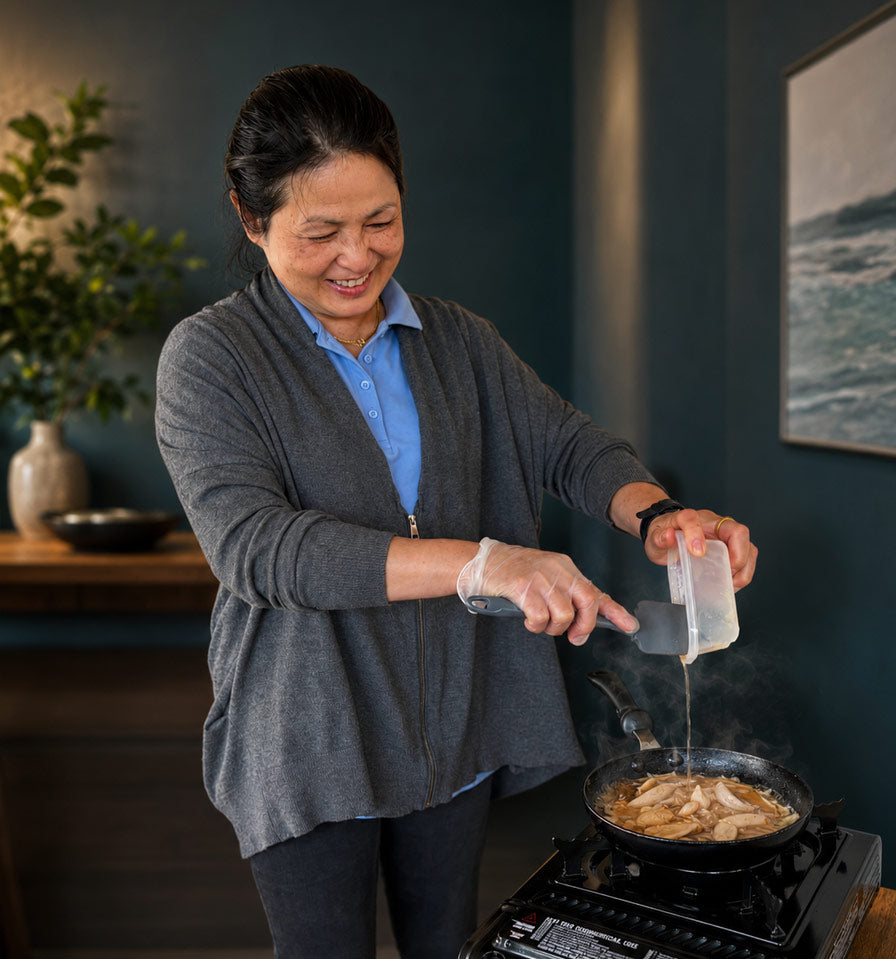
Ready to Serve
Preparing Retort Abalone
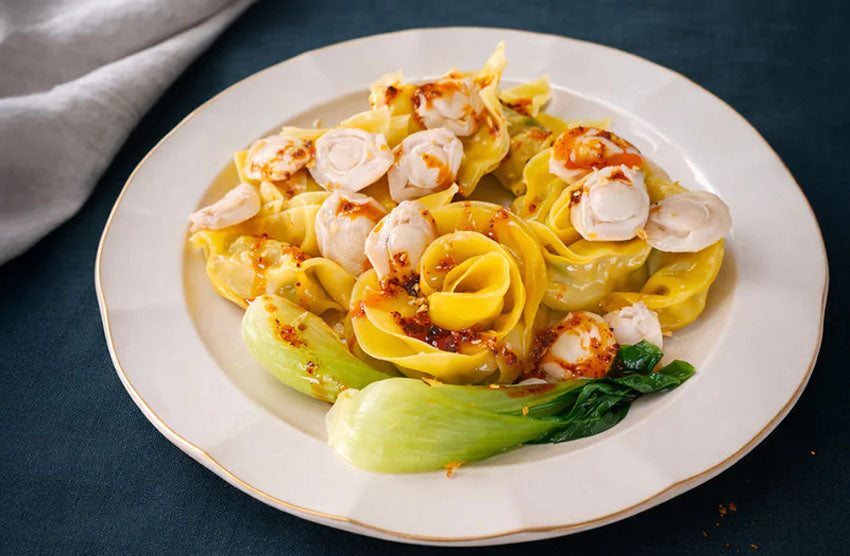
Ocean Road Abalone's retort packs are fully cooked and sealed in the abalone's natural juices, with no added brine, preservatives or additives. Convenient and versatile, it can be enjoyed straight from the pouch or incorporated into a wide variety of dishes.
It can be:
- Sliced and served cold in salads or seafood platters
- Gently warmed and served whole
- Quickly pan-fried or grilled with butter, herbs or a glaze
- Added to pasta, noodles, rice dishes and stir-fries
- Used in soups, stocks and shared dishes
- Slow-braised in rich sauces and traditional recipes
For a quick meal, retort abalone can be heated briefly in a pan or added to a prepared sauce. It can also be slow-braised with other ingredients, allowing it to absorb the flavours of the dish and develop a softer texture.
Don't discard the natural juices. They can be added to sauces, soups, noodle dishes and braising liquids for extra depth and savoury flavour.

Rich flavour for cooking
Preparing Canned Abalone
Ocean Road Abalone canned abalone is fully cooked and packed in a lightly flavoured brine, making it a convenient and versatile ingredient for everyday meals and special occasions.
From quick stir-fries to traditional slow-braised dishes, canned abalone can be prepared in many different ways.
It can be:
- Sliced and served cold in salads or seafood platters
- Gently heated and served whole
- Quickly pan-fried or grilled with butter, garlic or a glaze
- Added to pasta, noodles, rice dishes and stir-fries
- Used in soups, broths and savoury sauces
- Slow-braised with mushrooms, pork belly and aromatic ingredients
For quick meals, canned abalone can be sliced and added to a prepared sauce or briefly heated in a pan. It is equally suited to traditional braised dishes, where the abalone takes on the rich flavours of the cooking liquid.
Make the most of the brine. The lightly flavoured brine contains natural abalone juices and can be used in soups, sauces, stocks and braising liquids to add savoury depth and flavour.
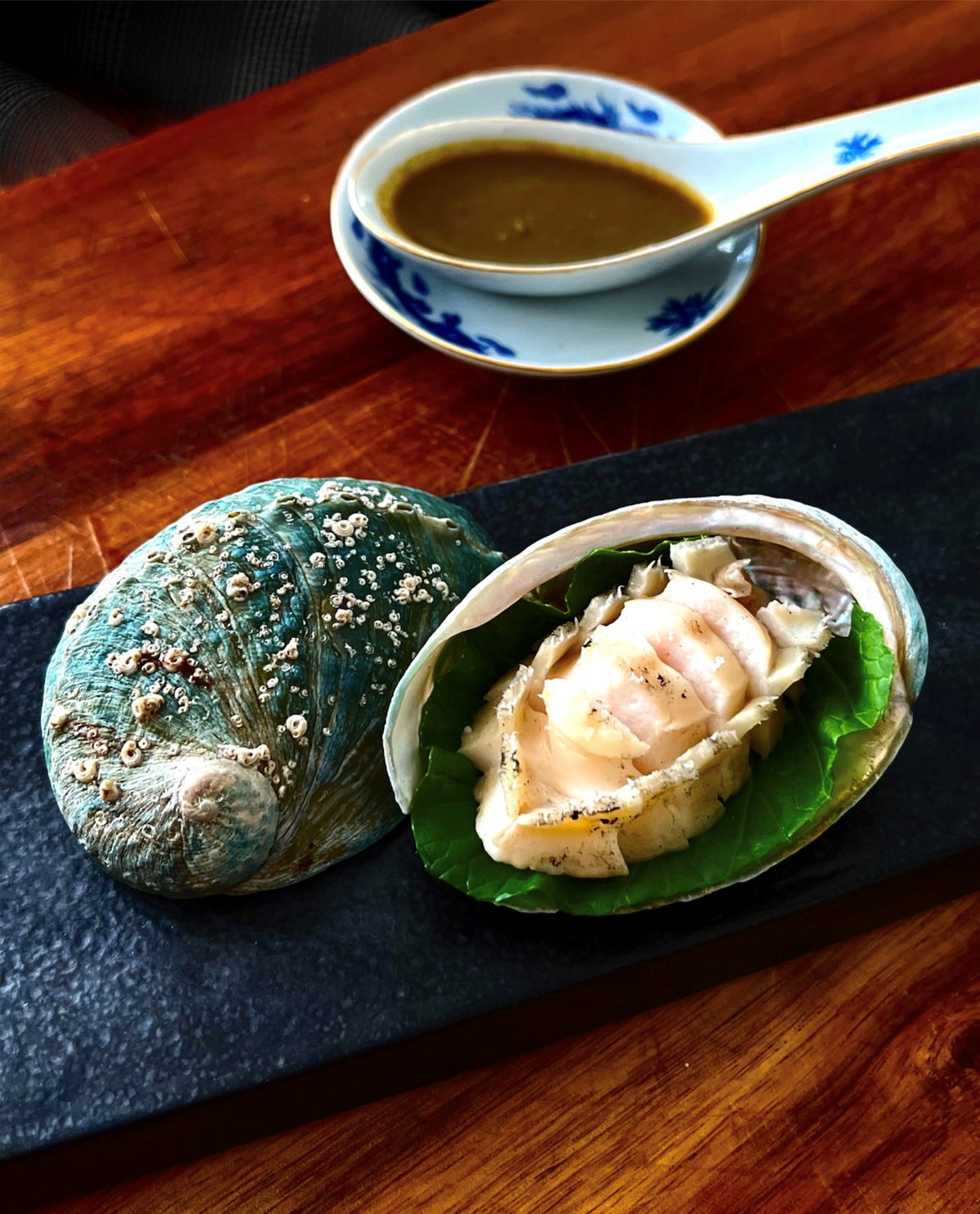
Frozen Preparation
Preparing Snap Frozen Abalone
Ocean Road Abalone's snap frozen product offers the flexibility of preparing and cooking abalone yourself, without needing to purchase it live. Frozen to preserve its natural quality, flavour and texture, it can be used in a wide variety of dishes.
Important: Always fully thaw frozen abalone before cooking. We do not recommend cooking abalone directly from frozen, as this can result in uneven cooking and a tougher texture.
For best results, thaw abalone overnight in the refrigerator. Once completely thawed, it can be removed from the shell, cleaned, sliced or prepared whole depending on your recipe.
It can be:
- Pan-fried with garlic butter and fresh herbs
- Grilled or barbecued with a savoury glaze
- Steamed with ginger, garlic or other aromatics
- Gently sautéed in slices for stir-fries and pasta
- Prepared using sous vide for controlled cooking
- Cooked whole or sliced to suit your preferred dish
The direction and thickness of the cut, along with cooking time and temperature, can make a significant difference to tenderness. For many preparations, a relatively short cooking time helps preserve abalone's delicate flavour and distinctive texture.
Remember: Thaw completely before preparing or cooking your abalone.
Common Questions
Abalone Preparation FAQs
Learn more about preparing, cooking, handling and serving premium Australian abalone at home.
Explore Our RecipesSome abalone may benefit from gentle tenderising, particularly when preparing larger or firmer pieces. Ocean Road Tiger Abalone generally requires little to no tenderising when prepared appropriately. Slicing and cooking method also have a significant effect on the final texture.
For live and frozen abalone, preparation, slicing and cooking time all influence tenderness. Overcooking can make abalone tough, so it's important to match the cut and cooking method to your recipe.
Canned and retort abalone are already cooked and can be enjoyed cold, quickly heated or used in slow-braised dishes. The cooking method will influence the final texture.
Learn more in our How to Cook Abalone guide.
Carefully slide a sturdy spoon or suitable blunt tool between the shell and the meat, working underneath the foot until the abalone releases from the shell. It can then be trimmed and cleaned before cooking.
Some abalone can be served raw when handled and prepared correctly. Thin slicing is often preferred for sashimi-style dishes. Always ensure the product is suitable for raw consumption and prepared safely.
Yes. Ocean Road Abalone's retort abalone is fully cooked and ready to serve. It can be enjoyed cold, gently heated, pan-fried, grilled or incorporated into soups, pasta, stir-fries and traditional slow-braised dishes. The natural juices in the pouch can also be used to add flavour to your cooking.
Yes. The brine contains natural abalone juices and is commonly used to add flavour to soups, sauces, braises and noodle dishes. Many recipes use both the abalone and the brine together.
For best results, thaw frozen abalone overnight in the refrigerator, allowing approximately 24 hours depending on its size. For quicker preparation, follow the cold-water thawing instructions in our preparation guide.
Always ensure abalone is fully thawed before cooking. We do not recommend cooking abalone directly from frozen, as this can affect cooking consistency and texture.
There is no single best method. Thin slices work well for quick searing, stir-fries and soups, while larger pieces can be grilled, pan-fried or braised. The best method depends on the format, recipe and texture you want to achieve. For more guidance, see our How to Cook Abalone guide.
Yes. Ocean Road Abalone's canned abalone is fully cooked and packed in a lightly flavoured brine. It can be served cold, gently heated, pan-fried, grilled or used in soups, noodles, stir-fries and slow-braised dishes. The brine can also be reserved for use in sauces, stocks and braising liquids.