

Understanding the value behind one of the world's most prized seafoods
Why Abalone Is So Expensive
Abalone is considered a premium seafood due to its slow growth, limited supply and the care required to produce it. Whether harvested from the wild or grown through aquaculture, abalone takes years to reach harvest size, making it far more labour and resource intensive than many other seafood species.
Time, expertise and limited supply
What Makes Abalone More Expensive Than Other Seafood?
Abalone is unlike most commercially available seafood. While fast-growing aquaculture species such as prawns and salmon can reach market size within months, abalone is one of the slowest-growing seafood species in the world.
Farmed abalone typically requires two to four years of careful management before reaching a marketable size, while wild abalone can take five to seven years or more to reach legal harvest size in natural ocean environments.
These extended growth cycles, combined with specialised farming and harvesting methods, contribute significantly to abalone's premium value.
1. Slow Growth
Abalone's slow growth is one of the primary reasons for its higher price. Farmed abalone generally takes two to four years to reach a marketable size of approximately 50-200+ grams, while wild abalone often requires five to seven years or more to reach legal harvest size.
2. Labour Intensive Production
Whether farmed or wild, abalone requires significant expertise. Farmed abalone is carefully managed throughout its lifecycle, from spawning and nursery systems through to grow-out and harvest. Wild abalone is harvested by licensed divers operating in challenging ocean conditions under strict regulations.
3. Limited Supply
Wild abalone fisheries operate under strict quotas designed to protect natural populations, while farmed abalone requires years of cultivation before harvest. These factors naturally limit supply compared with many other seafood products, helping maintain abalone's premium position in the market.
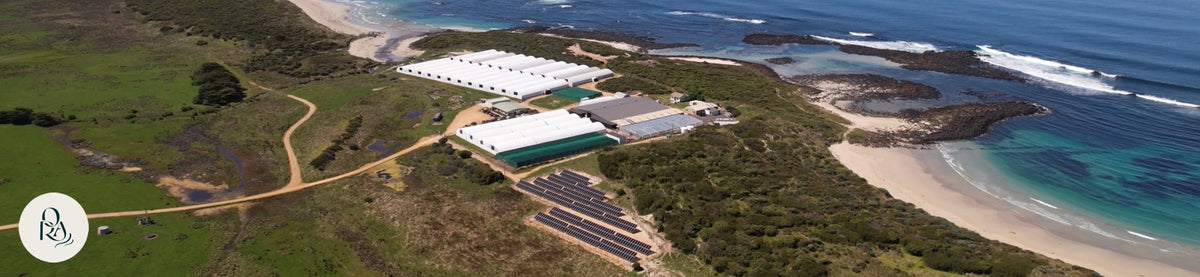
Understanding the differences
Wild vs Farmed Abalone
While both wild and farmed abalone are considered premium seafood products, the way they are produced has a significant influence on pricing, availability and consistency.
Farmed Abalone
- Consistent year-round availability
- Reliable sizing and quality
- Full traceability from hatchery to harvest
- Sustainable and controlled production
Wild Abalone
- Harvested from natural reef environments
- Subject to quota restrictions
- Availability varies seasonally
- Naturally limited supply
What This Means for Price
Both products are premium. Farmed abalone provides consistency and availability, while wild abalone is influenced by natural supply limitations and fishery quotas.
Origin and provenance
Australian vs Imported Abalone
Origin plays an important role in both the perceived value and market price of abalone.
Australia supplies approximately 30% to 50% of the world's wild-caught abalone, making it one of the most important producers of premium abalone globally.
Australian abalone is recognised for its clean ocean environment, strict sustainability standards and premium quality. Both wild and farmed Australian abalone are produced under rigorous fisheries, aquaculture and biosecurity regulations that help ensure consistency, traceability and long-term sustainability.
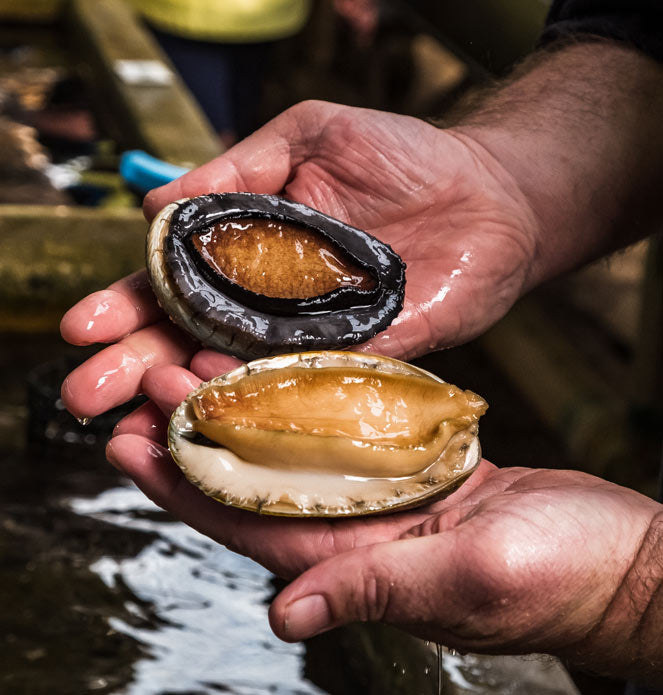
Australian Abalone
- Produced under strict sustainability regulations
- Clean Southern Ocean growing environment
- Strong traceability and biosecurity standards
- Recognised globally for premium quality
- Favoured by chefs and export markets
Imported Abalone
- Available from a variety of countries and production systems
- Quality and consistency can vary by origin
- Often produced at larger volumes
- Commonly positioned in mass-market segments
- May offer a lower entry price point
Indicative pricing across different product formats
How Much Does Abalone Cost?
Abalone prices vary depending on origin, species, size, processing method and whether the product is wild or farmed.
Farmed Abalone Price Guide
Farmed abalone offers a more accessible way to enjoy premium abalone while maintaining consistent quality, availability and sustainability. Australian farmed abalone typically takes between two and four years to reach harvest size, requiring significant time, care and expertise before it reaches the market.
Indicative retail pricing only.
Explore our range here$50-$100+ per kg
$30-$50+ per pack
$30-$60+ per can
$300-$3,000+ per kg
Wild Abalone Price Guide
Wild abalone is harvested from natural ocean reefs under strict fisheries management and quota systems. Growth rates are slower than farmed abalone, often taking five to seven years or longer to reach legal harvest size. Limited availability and harvesting complexity contribute to significantly higher prices.
Indicative retail pricing only.
$100-$200+ per kg
$50-$100+ per pack
$40-$100+ per can
$300-$4,000+ per kg

Not all abalone is priced the same
Why Do Abalone Prices Vary So Widely?
Two abalone products can look similar while having very different prices.
Factors such as species, size, origin, growing conditions, processing method and product format all influence value. A canned farmed abalone product may cost a fraction of a premium dried wild abalone product, despite both being abalone.
Understanding these differences helps explain the broad range of prices seen across retail, foodservice and export markets.

More than cost alone
Is Abalone Worth the Price?
For many people, the value of abalone extends beyond its price tag.
Its distinctive texture, natural ocean flavour and long cultivation period make it unlike most other seafood products. Whether wild or farmed, abalone represents years of growth, careful management and specialised expertise.
In many cultures, abalone is associated with celebration, prosperity and hospitality. It is often served during important family gatherings, festive occasions and milestone events, where premium ingredients are chosen to mark the significance of the moment.
For those seeking a premium seafood experience, abalone offers a level of quality, provenance and versatility that few ingredients can match.
Discover our Australian abalone rangeExplore premium Australian abalone
Choosing the Right Abalone
Whether you're looking for premium live abalone, convenient retort products or gift-worthy canned abalone, understanding the factors behind the price can help you choose the right product for your needs.
Explore our range, learn more about how we farm abalone, or discover simple ways to prepare abalone at home.